
Streamlining Heavy-Lift Logistics for Global Projects

Heavy-lift logistics is a critical component of global projects, especially in industries like construction, energy, and manufacturing. The complexity of moving oversized and heavy equipment across various terrains and borders can pose significant challenges. However, with the right strategies and technologies, companies can streamline their logistics processes, reduce costs, and improve efficiency. This blog post explores effective methods to enhance heavy-lift logistics for global projects.
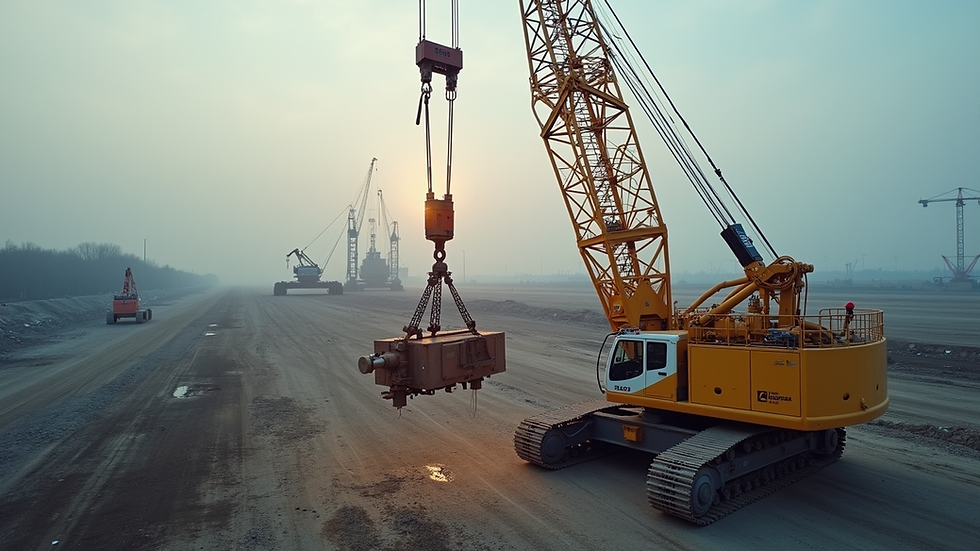
Understanding Heavy-Lift Logistics
Heavy-lift logistics involves the planning, execution, and management of transporting oversized and heavy items. These items often require specialized equipment, such as cranes, flatbed trucks, and barges, to ensure safe and efficient transport. The logistics process includes:
Planning: Assessing the requirements of the project, including the type of equipment needed and the route to be taken.
Execution: Coordinating the actual movement of goods, which may involve multiple modes of transport.
Management: Overseeing the entire process to ensure that everything runs smoothly and on schedule.
Key Challenges in Heavy-Lift Logistics
Regulatory Compliance: Different countries have varying regulations regarding the transport of heavy equipment. Understanding and complying with these regulations is crucial to avoid delays and fines.
Route Planning: Finding the best route for heavy-lift transport can be complicated due to road restrictions, bridge weight limits, and other obstacles.
Equipment Availability: Ensuring that the right equipment is available when needed can be a logistical nightmare, especially in remote locations.
Cost Management: Heavy-lift logistics can be expensive, and managing costs while maintaining efficiency is a constant challenge.
Strategies for Streamlining Heavy-Lift Logistics
1. Invest in Technology
Utilizing technology can significantly enhance the efficiency of heavy-lift logistics. Here are some ways technology can help:
GPS Tracking: Real-time tracking of vehicles and equipment allows for better route management and timely updates on delivery status.
Logistics Software: Advanced logistics management software can help plan and optimize routes, manage inventory, and track shipments.
Drones: Drones can be used for site surveys and inspections, providing valuable data that can inform logistics planning.
2. Optimize Route Planning
Effective route planning is essential for minimizing delays and reducing costs. Consider the following:
Use of Mapping Tools: Leverage advanced mapping tools that account for road conditions, traffic patterns, and weight restrictions.
Alternative Routes: Always have backup routes planned in case of unexpected road closures or delays.
Local Knowledge: Collaborate with local logistics experts who understand the terrain and can provide insights into the best routes.
3. Enhance Collaboration
Collaboration among all stakeholders is vital for successful heavy-lift logistics. This includes:
Communication: Establish clear lines of communication between all parties involved, including suppliers, transporters, and project managers.
Partnerships: Build strong relationships with logistics providers who specialize in heavy-lift transport. Their expertise can help navigate challenges more effectively.
Integrated Planning: Involve all stakeholders in the planning process to ensure that everyone is on the same page and aware of their responsibilities.
4. Focus on Training and Safety
Investing in training for personnel involved in heavy-lift logistics can lead to improved safety and efficiency. Key areas to focus on include:
Equipment Operation: Ensure that operators are well-trained in the use of heavy machinery and understand safety protocols.
Risk Management: Train staff to identify potential risks and implement strategies to mitigate them.
Emergency Procedures: Establish clear emergency procedures and conduct regular drills to ensure everyone knows how to respond in case of an incident.
5. Monitor and Evaluate Performance
Regularly monitoring and evaluating logistics performance can help identify areas for improvement. Consider implementing:
Key Performance Indicators (KPIs): Establish KPIs to measure efficiency, cost-effectiveness, and safety.
Feedback Loops: Create a system for gathering feedback from all stakeholders to identify challenges and opportunities for improvement.
Continuous Improvement: Foster a culture of continuous improvement where lessons learned from past projects are applied to future logistics planning.
Case Study: Successful Heavy-Lift Logistics in Action
One notable example of effective heavy-lift logistics is the construction of the Tengizchevroil Future Growth Project in Kazakhstan. This project involved transporting massive equipment, including compressors and separators, to a remote location.
Key Strategies Used:
Advanced Planning: The project team conducted extensive planning to identify the best routes and methods for transporting oversized equipment.
Local Partnerships: Collaborating with local logistics providers helped navigate regulatory challenges and optimize transport routes.
Technology Utilization: The team used GPS tracking and logistics software to monitor shipments in real-time, ensuring timely delivery.
Results:
The project was completed on time and within budget, demonstrating the effectiveness of strategic planning and collaboration in heavy-lift logistics.
Conclusion
Streamlining heavy-lift logistics for global projects is essential for success in today’s competitive landscape. By investing in technology, optimizing route planning, enhancing collaboration, focusing on training, and monitoring performance, companies can overcome the challenges associated with transporting oversized equipment.
As the industry continues to evolve, staying ahead of logistics trends and best practices will be crucial for ensuring efficiency and cost-effectiveness in heavy-lift operations. Companies should take proactive steps to implement these strategies and position themselves for success in future projects.
By embracing these methods, businesses can not only improve their logistics processes but also contribute to the overall success of their global projects.


Comments